
It should reduce retrieval
If you still need to pull out your phone every few minutes, the wearable is decoration, not relief.
A better watch or wearable is not the one that sends you more things. It is the one that filters the right signals, softens the wrong ones, and keeps your phone from shouting at you all day.
Think less about “features per square inch” and more about what happens to your attention once the device enters your day.
If you still need to pull out your phone every few minutes, the wearable is decoration, not relief.
The best devices separate important prompts from low-value noise without making everything feel critical.
A wearable that feels bulky, loud, or fussy rarely survives beyond the first week.
Before you compare sensors, battery claims, or app libraries, run this calmer test: Does it lower friction, reduce phone grabs, and make the right information easier to catch in motion?
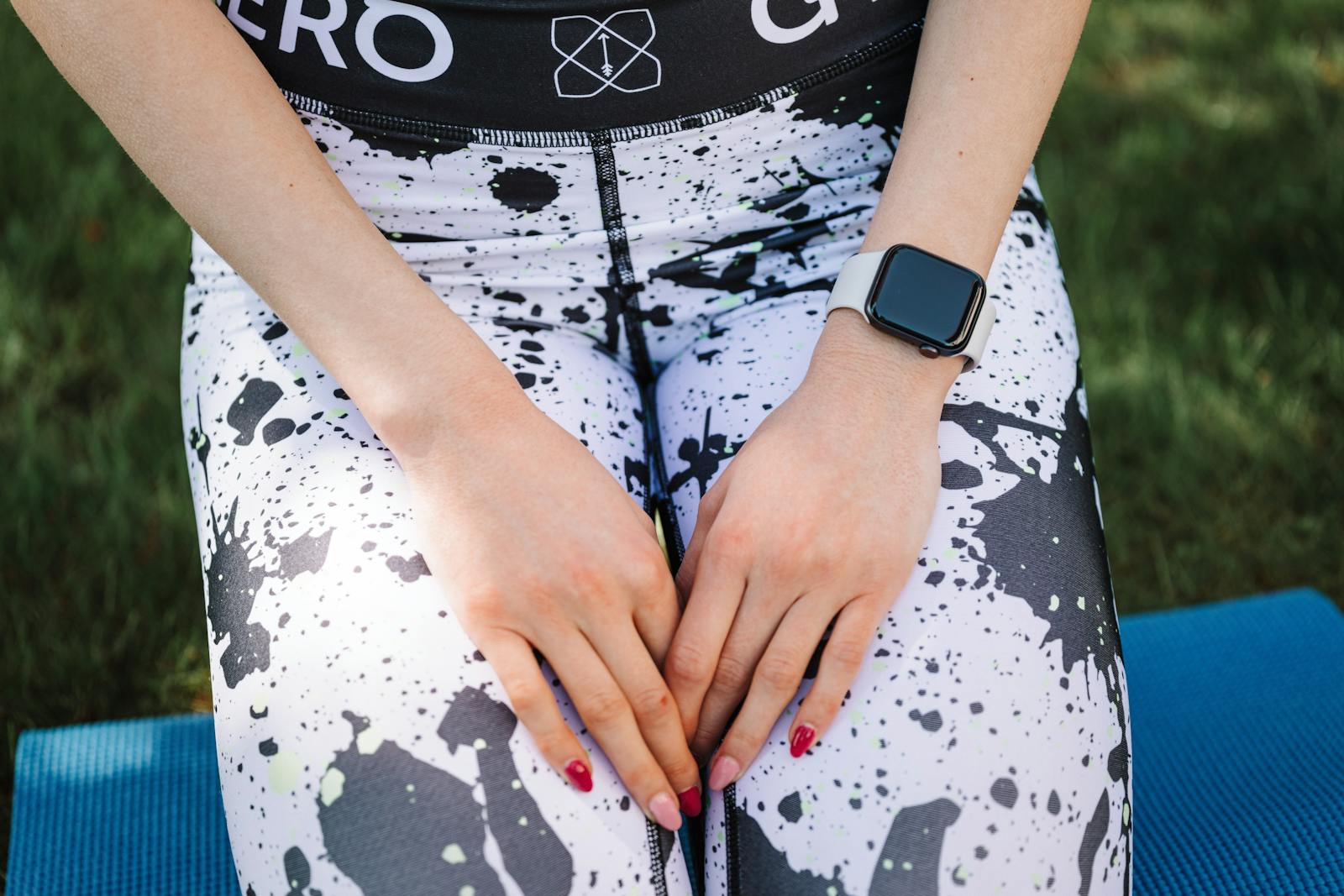
Needs just enough on the wrist to move through the day without a constant phone check spiral.
Wants gentle prompts, habit support, and a device that blends into work and home without friction.
Needs comfort, quick readability, and a companion that helps during walks, workouts, and daily motion.
Because that is what most people feel every day: not missing one metric, but managing too many interruptions and too much checking.
Start with utility that blends into your real routine. Style matters more once the device has already proven it belongs there.
Usually not a missing feature. More often it is discomfort, noisy alerts, or a sense that the device adds one more thing to manage.